Short answer. In one day you can see the tiles of São Bento, the Clérigos Tower, the cathedral, the Ribeira and the Dom Luís I bridge. With a second day you add the port wine cellars in Gaia and the cruise on the Douro. The sights cluster around the river, and the metro covers the rest.
Light show, tower, fado, cellars and cruises
Clérigos Tower & Museum: Entry Ticket
4.4· 647 reviews
from €10
Book tickets and tours →Where should I begin?
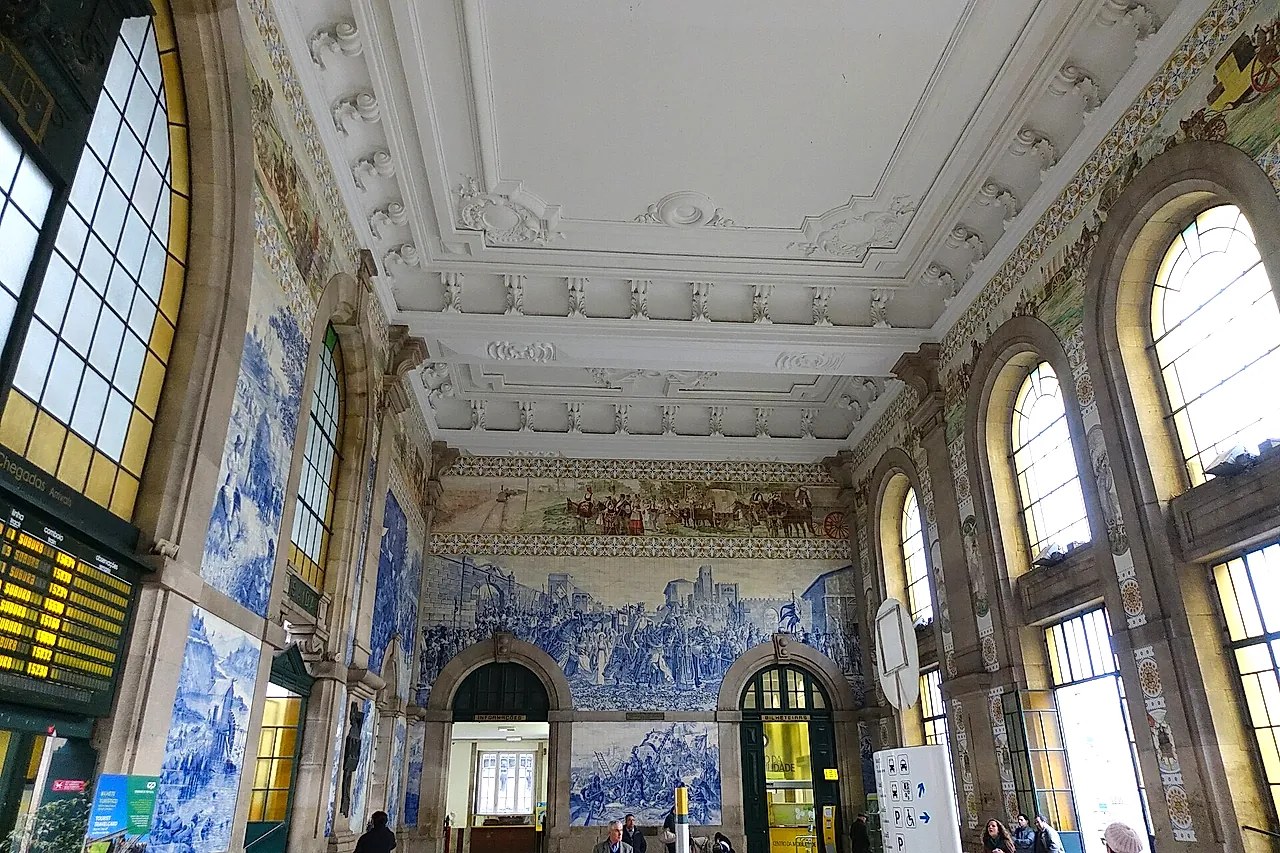
Begin at São Bento station. You do not need a train: the entrance hall is the attraction. Its walls hold about 20,000 azulejos, the tiles painted by Jorge Colaço between 1905 and 1916. The station opened in 1916, and the pictures tell Portuguese history, from the battle of Valdevez in 1140 to the wedding of King John I and Philippa of Lancaster in Porto in 1387. Look for the rural scenes and the frieze on the history of transport as well. Take your time: there is a lot to look at.
What comes after the station?
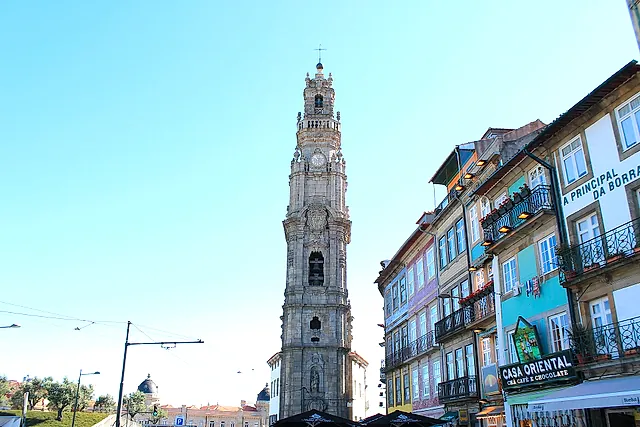
Climb to Torre dos Clérigos. The baroque church and tower were designed by Nicolau Nasoni, an Italian architect and painter. Works ran from 1732 to 1750, and the tower rose to 75.6 metres. The church has an oval plan, one of the first of its kind in Portuguese Baroque. If you want the view, climb the stairs: there are more than 200 steps and the tower has stairs only, so it is a real climb. The tower is open every day from 9:00 to 19:00. If you prefer to stay in the church, the light show lasts 30 minutes and is wheelchair accessible. See the Clérigos page for the options.
Where is the cathedral and what do I see there?
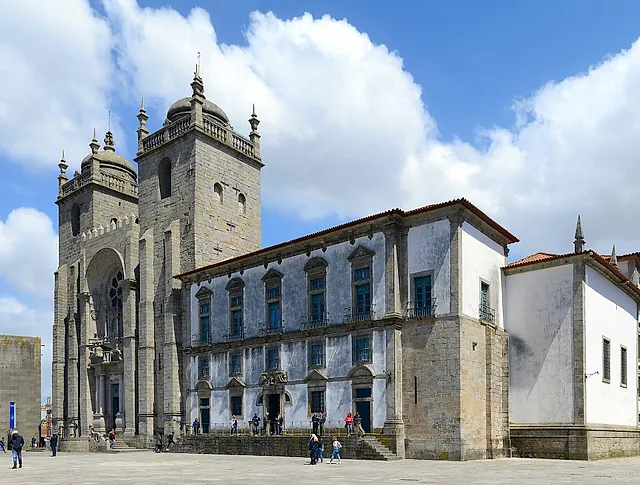
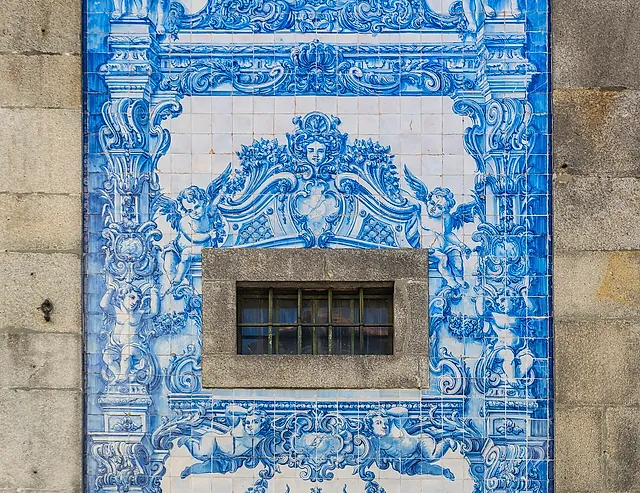
The Sé stands in the old centre, on the Terreiro da Sé, with two square towers and a Romanesque rose window. The story starts in 1108, when Henry of Burgundy and his wife founded a chapel here. The cloister is Gothic, and its azulejos were painted by Valentim de Almeida between 1729 and 1731, with scenes from the Song of Songs. In 1736 Nasoni added the baroque loggia on the side façade, so you meet his work again. The cathedral ticket includes the cloister and museum, and the tower with views over the Douro. See the cathedral page.
How do I enjoy the Ribeira?
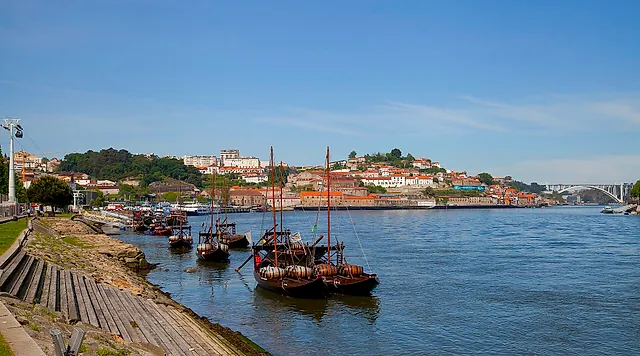
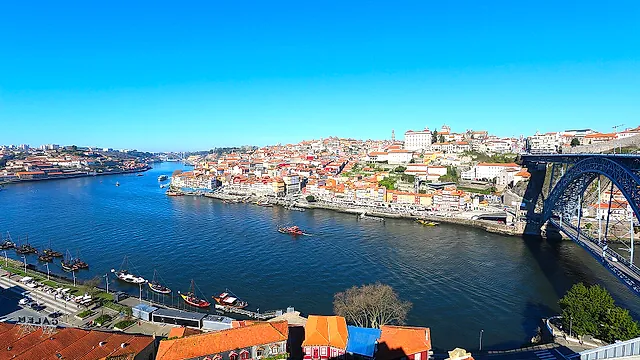
From the cathedral go to the river. The Ribeira is part of the historic centre that has been a World Heritage site since 1996. It is a place for slow walking, with the river in front of you. The boats that used to carry wine down the Douro were called rabelos, and you can still see some of them on the river.
Why cross the Dom Luís I bridge?
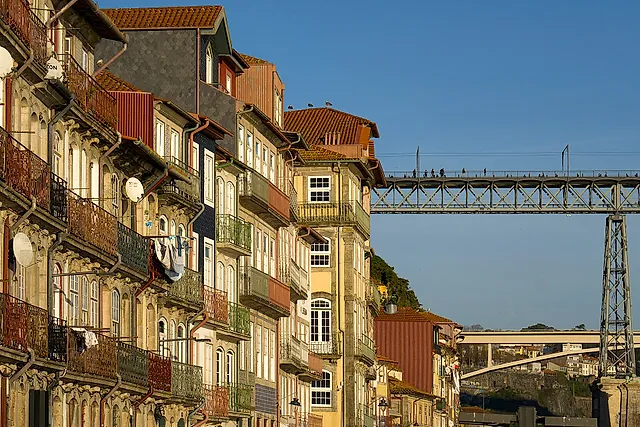
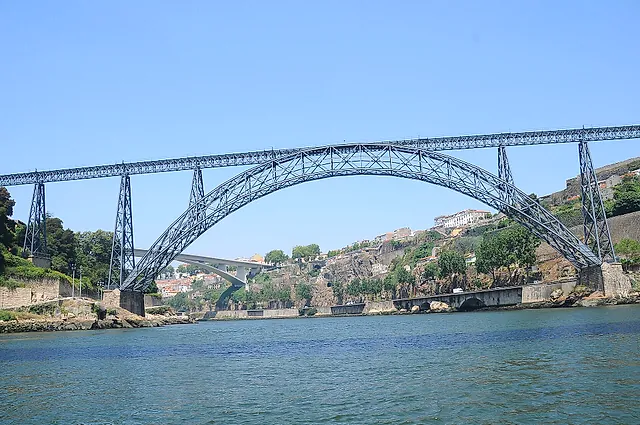
Because it is the easy way to reach Gaia on foot, with views over the river as you cross. The bridge opened on 31 October 1886. It was designed by Théophile Seyrig, who had been a partner of Gustave Eiffel, and its central arch measures 172 metres. The upper deck carries the metro line D and a footpath, and the lower deck has a footpath too, so you choose between the high view and the one closer to the water. At the other end you arrive in Vila Nova de Gaia, the home of the port wine cellars.
What do I do in Gaia?
Visit a cellar. Port wine ages in barrels on this bank, and since 1777 Gaia has been the official place where the wine is stored. A tour with a tasting is a good way to learn how a ruby differs from a tawny. If you need help picking one, read our cellar guide. After the tasting, the six bridges cruise, which lasts 50 minutes, shows the city from the river. The cruise page lists the three departures.
How do I get around?
The old centre is made for walking. For longer distances, use the metro. The line E, the violet one, runs from the airport to Trindade and stops at Campanhã, where trains arrive. The fare depends on the zones you cross.
A plan for two days
Day one. São Bento in the morning, the Clérigos Tower, then the cathedral and the Ribeira for lunch. In the afternoon cross the Dom Luís I bridge on foot. In the evening go to a fado concert (see the fado guide).
Day two. A cellar visit in Gaia, followed by the cruise. Want the full list of what to book? The tickets guide puts it in order.